
How Much Less Will You Get When Selling a House As-Is in Richmond, VA?
Selling a house as-is in Richmond VA usually brings 5% to 20% less than a fully fixed-up home. Homes with…
Read more →
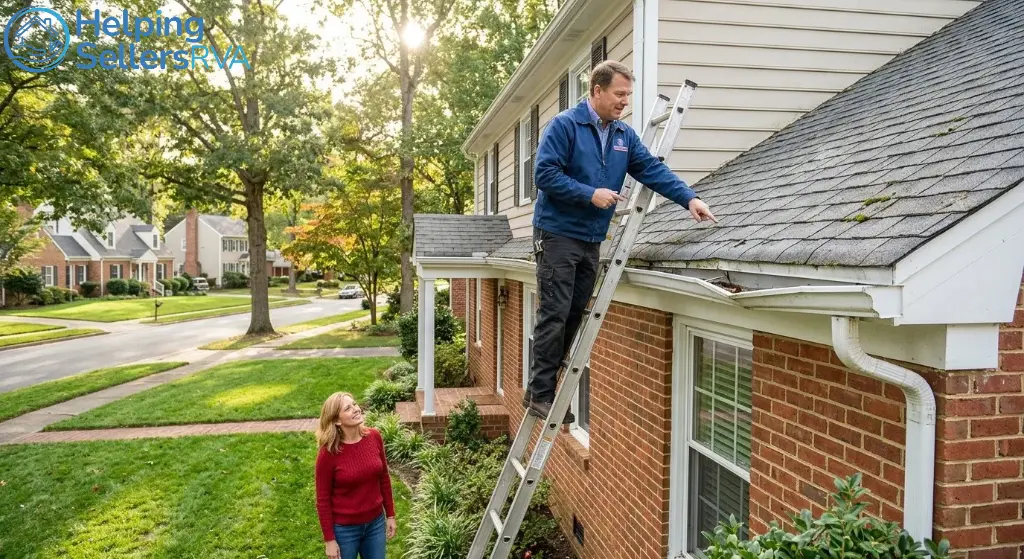
A leaking roof, foundation cracks, old electrical wiring, persistent water damage, or a failing HVAC system can make selling a house feel overwhelming. When estimates run into thousands of dollars, many Richmond homeowners wonder: Do I have to fix everything before I sell?
The short answer is no. You can generally market and sell a house that needs major repairs in Richmond, Virginia including through an as-is listing or a direct investor sale. The smart choice depends on the condition of the home, the amount of equity you have, available cash, market demand, and the net proceeds from each option.
This guide explains the selling routes, the repairs buyers care about most, how to estimate your financial outcome, Virginia disclosure requirements, and what to ask before accepting a cash offer.

Yes. A house does not need a new roof, updated kitchen, or fully repaired systems to be offered for sale. Some buyers want move-in-ready homes, while others—including renovation investors and certain owner-occupants—intentionally purchase fixer-uppers.
The property’s condition can affect its financing eligibility, inspection negotiations, appraisal, buyer pool, and sale price. An as-is contract ordinarily means the seller is not agreeing to make specific repairs, but it does not erase buyer contingencies or applicable disclosure duties.
An old or leaking roof may trigger inspection concerns and can lead to moisture damage. Obtain a roofer’s assessment to learn whether repair or full replacement is actually needed.
Cracks, uneven floors, sticking doors, or a damaged retaining wall may need a qualified structural evaluation. Symptoms alone are not a diagnosis, and you should avoid describing a problem as minor without evidence.
Roof leaks, plumbing failures, basement water intrusion, and poor drainage can increase repair costs. Document known problems, avoid concealing damage, and use qualified professionals where appropriate.
Old panels, unsafe wiring, sewer line issues, and failed heating or cooling equipment can affect buyer interest and insurance or financing requirements. A licensed trade professional can help establish the repair scope.
Severe damage may require engineering assessments, insurance review, permits, and substantial reconstruction. Some investors specialize in such properties, but offers vary widely.
This may attract a wider range of buyers and potentially produce a higher sale price. The drawbacks are upfront expense, contractor availability, permits, surprise costs, and time. Not every dollar spent on improvements is recovered at closing.
An as-is listing provides broad exposure while making it clear that the price reflects condition. Buyers may still inspect, negotiate, seek financing, or withdraw under contract contingencies. Price using comparable fixer-upper sales rather than remodeled properties alone.
A direct investor may purchase without seller-completed renovations and may offer a flexible closing date. However, investors typically build renovation expenses, holding costs, transaction costs, risk, and profit into their proposed price. Compare multiple offers and verify proof of funds.
| Factor | Repair then list | List as-is | Direct cash buyer |
| Upfront repair spending | Potentially high | Usually limited | Often minimal |
| Market exposure | Broad | Broad | Buyer-specific |
| Buyer inspections | Likely | Possible | Often still required |
| Price potential | May be highest | Condition-adjusted | May be discounted |
| Closing uncertainty | Financing and other contingencies | Depends on buyer | Less financing risk, other risks remain |
| Best suited to | Sellers with budget and time | Sellers wanting market exposure | Sellers prioritizing simplicity |

The correct comparison is not repaired sale price versus cash offer. It is the expected money you receive after every relevant cost: repairs, commissions, closing expenses, carrying costs, concessions, debt payoff, and potential changes in sale price.
| Illustrative expense | Repair and list | As-is cash offer |
| Sale price | $325,000 | $265,000 |
| Repairs / preparation | −$35,000 | $0 |
| Broker compensation | −$16,250 | $0 |
| Other closing expenses | −$4,500 | −$2,000 |
| Extra property carrying costs | −$4,000 | $0 |
| Estimated proceeds before mortgage and tax | $265,250 | $263,000 |
In this hypothetical case, the headline price differs by $60,000, while estimated proceeds differ by $2,250. These are invented scenario assumptions—not current Richmond averages or typical investor discounts. In other situations, listing may clearly deliver higher proceeds. Get estimates tailored to your home.
Estimated traditional net = expected sale price − repair and preparation costs − negotiated brokerage costs − closing charges − extra carrying costs − concessions. Estimated cash net = written cash offer − costs the seller still pays. For either option, subtract mortgage and lien payoff amounts to estimate cash available at closing.
There is no reliable fixed percentage for Richmond. A buyer may offer relatively close to as-is market value for cosmetic issues, but substantial structural defects, insurance claims, or uncertain renovation scope can create a larger price gap. Avoid treating a generalized “70% rule” as a guaranteed local market standard.
Investors may estimate an after-repair value, subtract a detailed renovation budget, include financing and resale costs, and allow for unexpected conditions and required profit. Ask how the offer handles unknown defects and whether there are inspection-related price reductions.

Virginia uses a buyer-due-diligence framework under its Residential Property Disclosure Act. For most covered residential sales, sellers must provide the prescribed residential property disclosure statement; the act also identifies exemptions and situations requiring affirmative written disclosures. “As-is” is not a blanket exception from legal duties. Source: Virginia DPOR residential property disclosures (July 2026)
Virginia’s official property disclosure forms page lists the acknowledgment form and additional forms that may apply, including certain building-code or zoning enforcement actions, repetitive-loss structures, and other circumstances. Source: Virginia DPOR disclosure forms
Virginia Code § 55.1-706 contains specific requirements regarding pending building-code enforcement or zoning ordinance violations. If you know of official enforcement actions, investigate which written notice is required before contracting. Source: Virginia Code — pending building or zoning violations
The correct documents depend on your property and transaction. Never conceal known damage or make false statements to an interested buyer. Have a Virginia real estate professional or attorney check the forms you must provide. Source: Virginia Residential Property Disclosure Act
For most pre-1978 housing, federal law requires sellers to disclose known lead-based paint information, provide available relevant records and the federal pamphlet, include required contract language, and allow buyers an inspection opportunity subject to the rule’s procedures. An as-is sale does not automatically remove these federal obligations. Source: U.S. EPA — lead disclosure for home buyers

If you decide to renovate before selling, check permit requirements before work begins. The City of Richmond explains that building permits apply to new construction and alterations, and electrical, mechanical, and plumbing work can require separate trade permits. Permit requirements can differ in Henrico and Chesterfield, even when an address uses “Richmond” for mailing purposes. Source: City of Richmond — Permits and Inspections
Ask contractors to identify required permits in writing, and confirm final inspections or permits are closed where needed. Unpermitted work can create questions at resale and may need evaluation or corrective action.
Address immediate hazards, prevent ongoing water intrusion where feasible, and confirm safe access.
Photograph the property, assemble maintenance records, and seek qualified assessments for structural, electrical, roofing, plumbing, or moisture issues.
Obtain mortgage payoff details; review insurance claims, tax balances, and any recorded liens.
Use recent comparable sales of homes in similar condition; get an agent market analysis or independent valuation if useful.
Request a net sheet for a conventional listing and written terms from multiple qualified cash buyers.

Complete applicable Virginia and federal disclosures; disclose official code or zoning actions when required.
Read all inspection, assignment, earnest-money, repair, cancellation, and closing-cost provisions.
Confirm title, payoff figures, prorations, seller proceeds, and disbursement arrangements before signing.

You can sell without replacing a roof, but prospective purchasers may account for leaks, visible damage, and lender or insurer requirements. Obtain roof assessments so you can judge whether a targeted repair offers value.
A professional structural evaluation can help distinguish cosmetic movement from significant defects. Buyers may want inspection contingencies or pricing concessions; some investors accept properties with structural work ahead.
Investigate water sources and remediation needs. Avoid covering symptoms with cosmetic work without addressing the cause. Some buyers will accept remediation responsibility, but may adjust offers accordingly.
These defects can affect appraisal, insurability, and renovation costs. Selling to an investor may be practical, but carefully compare net proceeds against a limited repair strategy.
Check insurance claim status, property safety and documentation before marketing. A buyer should understand what has and has not been repaired, and the contract should clearly allocate any relevant claims or proceeds.
If paying for repairs is not realistic, you still have options: sell as-is on the open market, seek a direct offer, explore limited low-cost safety work, or discuss financing or hardship options with the mortgage servicer if payments are becoming difficult. Avoid borrowing for renovations until you have tested whether added sale proceeds justify the full expense.
If a repair problem makes the house unsafe or subject to a government order, ask a qualified local professional about immediate responsibilities even if you intend to sell.

Selling a home that needs major repairs does not require you to complete a full renovation first. In Richmond, homeowners can evaluate an as-is listing, strategic repairs, or a direct cash offer. The most useful number is the realistic amount you will keep after expenses—not simply the advertised purchase price.
Start with a clear understanding of the property’s condition, gather credible estimates, review applicable disclosures, and compare written proposals. That approach helps you choose a transaction that fits your finances and timeline.
Selling a house as-is in Richmond VA usually brings 5% to 20% less than a fully fixed-up home. Homes with…
Read more →
How long does foreclosure take in Virginia? Most homes reach the auction block in six to nine months. That count…
Read more →
Your orders have just arrived. Time to start planning for your house. The majority of orders that the Richmond VA…
Read more →
Yes, you can sell your rental property in Richmond VA even if tenants still live there. You do not have…
Read more →
Selling a home is a major life decision. However, things get tricky when your property value drops below your loan payoff.…
Read more →