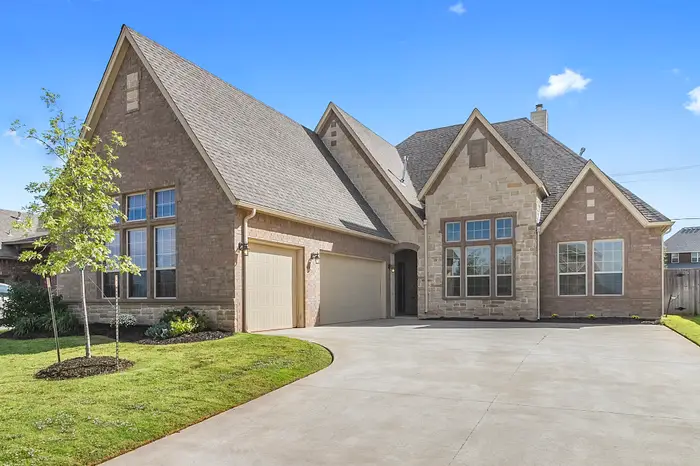
Trying to list an occupied rental property on the traditional real estate market with problematic occupants usually turns into a slow, frustrating process.
Under the Virginia Residential Landlord and Tenant Act (VRLTA), landlords have a legal right to enter an occupied rental to show the property to prospective buyers or inspectors.
However, difficult tenants often make this step miserable. An uncooperative tenant might block doors, ignore written notices, keep the home extremely messy, or act rude to prospective home buyers during scheduled walk-throughs.
When occupants realize you plan to sell property with bad tenants Virginia owners often face sudden property damage. Unaddressed plumbing leaks, punched drywall, broken windows, and trashed flooring severely drop home value. Real estate market data shows that visible tenant property damage can reduce a home's final selling price by 15% to 30%.
A non-paying tenant creates an immediate cash flow drain. You still have to pay the property taxes, insurance premiums, and monthly mortgage out of your own pocket. Trying to sell a rental house with bad tenants who refuse to pay rent makes traditional buyers nervous and causes regular bank mortgage lenders to decline loan applications.
Selling through a licensed real estate agent works well for normal home sales. However, standard market sales take sixty to ninety days to complete. Agents must list your property on public databases, host open houses, and negotiate with retail buyers.
Retail buyers often demand repair credits after home inspections. They also include appraisal contingencies in their offers. If the home appraisal comes back low, their bank cancels the loan. You lose valuable weeks while your auction date gets closer.
Selling to direct investors avoids these common problems completely. You pay zero real estate agent commissions. Standard agent commissions cost six percent of the total sale price. You also avoid paying closing costs and expensive seller concessions.
Virginia Legal Requirements When Selling Tenant-Occupied Property
Staying legally compliant protects your money and keeps you out of court disputes during a real estate sale.
1. Review Your Current Written Lease
Always inspect your active rental agreement carefully. Look for specific clauses touching on property sale notifications, right-of-first-refusal rights, or early lease termination terms.
2. Provide Proper Entry Notifications
Virginia law requires landlords to give reasonable advance notice before entering an occupied rental property.
- Always deliver written notifications by email, text message, or written letter at least 24 hours ahead of time.
- Keep copies of all written communications to document full legal compliance.
3. Transfer the Security Deposit at Closing
Under Virginia Code 55.1-1226, all tenant security deposits must be transferred directly to the home buyer at closing.
- The seller must give written notice to the tenant confirming that their security deposit was transferred to the buyer.
- Ensure the buyer's name, address, and primary contact details are shared with the tenant in writing.


 Get My Offer