Selling a Rental Property With Tenants in Virginia
Owning a rental house brings steady income. It can also bring extra work. Many landlords reach a point where they…
Read more →
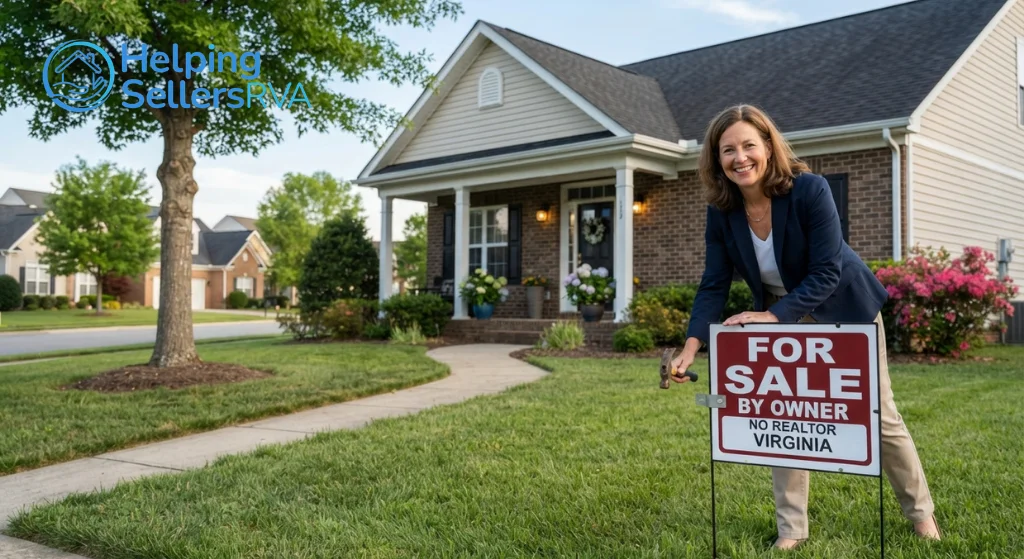
Selling your property on your own can save you tens of thousands of dollars. Many homeowners in the Old Dominion state choose this path every year. You might wonder how to sell a house without a realtor in Virginia while staying legal and protecting your savings.
In this guide, we will break down every step in simple language. You will learn how to price your property, prepare contracts, handle legal disclosures, and close the deal smoothly.
Real estate agent commissions take a huge chunk out of your home sales profit. The standard commission in Virginia ranges between five and six percent.
On a home sold for four hundred thousand dollars, that fee equals twenty four thousand dollars. When you sell a house without a realtor, you keep that extra money in your bank account.
When you manage a private home sale Virginia style, you talk directly with interested buyers. You set your own viewing schedules. You also decide how much room you have for price adjustments.
Virginia law allows you to handle your own real estate deal. However, you must follow specific legal obligations to protect yourself from future lawsuits.
Virginia is largely a buyer beware state, known legally as caveat emptor. The seller does not have to guarantee the physical condition of the property in every detail.
However, the state requires you to provide the Virginia Residential Property Disclosure Statement. This legal form tells the buyer about their rights to inspect the property.
If your home was built before 1978, federal law requires a Lead Based Paint Disclosure . You must give the buyer an EPA pamphlet about lead hazards and disclose any known lead paint in the home.
If your property sits in a community governed by a homeowners association, you must provide a HOA resale certificate package. The buyer gets a set number of days to review these neighborhood covenants.
You will need a written real estate purchase and sale agreement. This contract sets the sales price, earnest money deposit, closing date, and contingencies.
You do not need a real estate agent to write this contract. You can hire a Virginia licensed real estate attorney or use a standard legal template.
In Virginia, an attorney or a licensed title company handles the actual closing process. They check the title record, handle escrow funds, draft the legal deed, and submit documents to the local court clerk.
Setting the right price is the most critical part of a successful sale. If you set the price too high, your listing sits on the market for months. If you price it too low, you leave your hard earned equity behind.
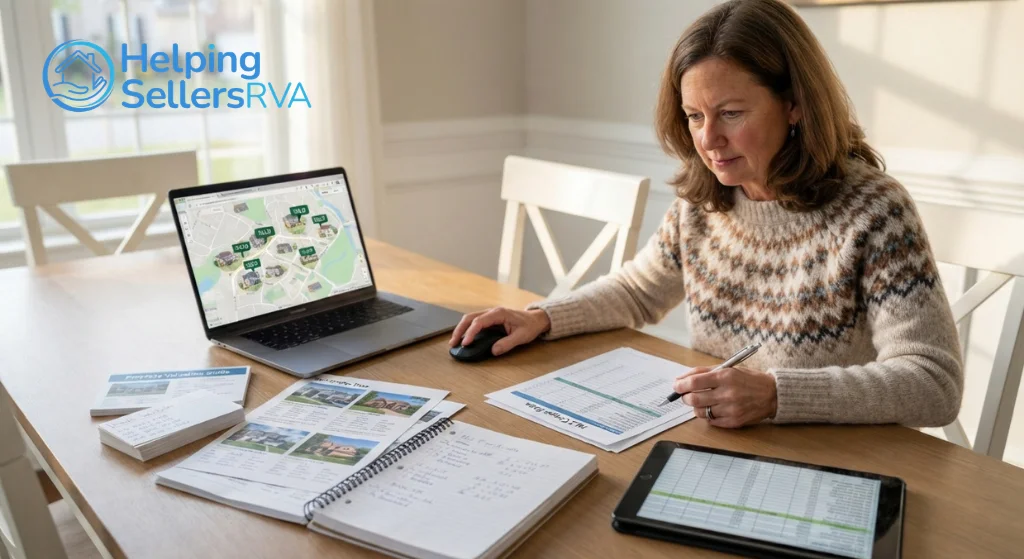
A comparative market analysis helps you find fair market value. You look at recently sold homes near me that match your home size, age, and condition.
Search public records or real estate sites to view comparable properties in your specific neighborhood. Look at recent home sales from the past three to six months.
Many homeowners start with an online home valuation tool to get a rough home value estimate. A Zillow home value or automated valuation model provides a basic starting number.
However, automated algorithms do not know about your brand new flooring or upgraded HVAC system. Do not rely only on an online price estimate.
You can also order a formal home appraisal. A certified state licensed appraiser will visit your house and inspect every room. They deliver an official property appraisal report with an accurate appraisal value.
Paying a few hundred dollars for a professional property valuation gives you clear proof when buyers ask why your fair asking price is set at a specific number.
Remember that tax assessed value from your county tax office is not the same as market value. Tax assessments often lag behind actual housing trends.
If you want a quick cash offer in Richmond, check out Helping Sellers RVA for a direct home sale.
Many sellers think a FSBO home sale is completely free. That is a common myth. While you save realtor commission on your side, you still face certain FSBO fees and seller closing costs Virginia laws require.
You might choose to pay a small commission to the buyer agent. Most buyers use an agent to help them shop for homes. Offering two to two point five percent to a buyer representative expands your pool of interested shoppers.
You will pay a fee for a flat fee MLS listing service. This service puts your property on the official multiple listing service so major real estate websites display your home.
You will pay title settlement fees and attorney charges. In Virginia, state transfer taxes and grantor taxes also apply at closing. The Virginia grantor tax rate is typically one dollar per thousand dollars of value, plus local add ons.
First impressions dictate how fast your property sells. Buyers make emotional decisions within seconds of stepping out of their car.
Remove personal photos, excess furniture, and clutter from every room. Small rooms look much larger when they hold less furniture.
Fix minor issues like leaky faucets, cracked wall outlets, and squeaky doors. Painting interior walls with a fresh neutral coat makes the home look bright and modern.
Mow the lawn, trim bushes, clean windows, and power wash the front porch. Deep clean carpets and eliminate any pet odors completely.
Most buyers view owner listed property online before ever stepping inside. Dark or blurry phone pictures will hurt your listing traffic.
Hire a local real estate photographer to capture crisp photos of every room. Good lighting highlights the best features of your FSBO house.
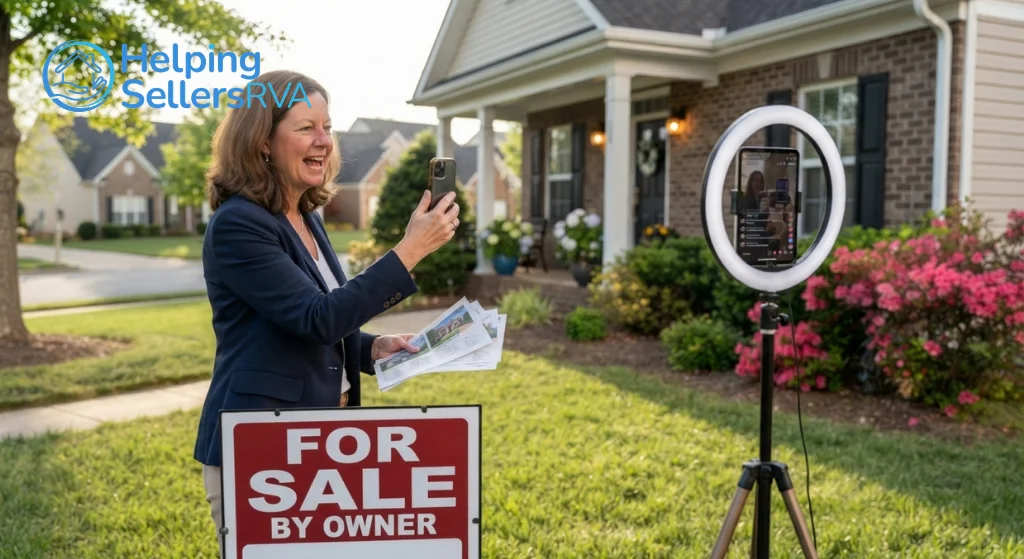
To sell home yourself successfully, you must market your home where local buyers look.
Use a reputable flat fee MLS service to get your owner listed home onto major real estate networks. This makes your house visible to local agents and home search apps.
Create listings on popular classified sites and social media market platforms. Share video walkthroughs on social networks to generate excitement among local buyers.
Place a sturdy, professional For Sale By Owner sign in your front yard. Include a clear phone number and a flyer box with information sheets.
Host weekend open house events. Prepare a feature sheet detailing recent updates, room dimensions, school districts, and local utility costs.
Keep a guest logbook to collect visitor phone numbers and email addresses for prompt follow up calls.
When an offer arrives, review every single detail carefully before signing.
Look closely at the proposed buyer loan type, whether conventional, FHA, or VA financing. Check the amount of earnest money deposited in escrow.
Review the proposed closing date and any buyer requested contingencies. Common contingencies include home inspection, appraisal value, and buyer financing approval.
Do not get angry over low offers. Respond with a polite counteroffer based on solid market data and recent neighborhood comps.
Local homeowners often turn to Helping Sellers RVA when they want to skip repairs and sell fast.
Once you accept an offer, the buyer will schedule a formal home inspection.
If the inspector finds issues, negotiate repairs or offer a small price credit at settlement.
The buyer lender will order a formal home appraisal to verify the property value. If the appraisal comes back low, you must decide whether to drop your price, ask the buyer to pay the difference in cash, or cancel the deal.
On closing day, you will sign the final settlement statement, deed transfer documents, and tax filings at the settlement office. Once the title company receives the buyer funds and records the new deed, you receive your final sale payout.
Owning a rental house brings steady income. It can also bring extra work. Many landlords reach a point where they…
Read more →
Selling your property on your own can save you tens of thousands of dollars. Many homeowners in the Old Dominion…
Read more →
Selling a house can feel like a huge chore. Many homeowners in Virginia ask how cash home buyers come up…
Read more →
Selling a home in Virginia requires making big financial decisions. Every homeowner wants to maximize profits while minimizing stress. You…
Read more →
Selling a home with old plumbing or a leaking roof can feel scary. You might worry about huge repair bills.…
Read more →