
Selling a Rental Property With Tenants in Virginia
Owning a rental house brings steady income. It can also bring extra work. Many landlords reach a point where they…
Read more →

Owning a rental house brings steady income. It can also bring extra work. Many landlords reach a point where they want to cash out. You might want to invest elsewhere. You might want to stop managing renters. Selling a rental property with tenants is very common in Virginia. You have clear laws to follow. You also have smart options that make the sale simple.
The real estate market in Virginia remains active in 2026. The Virginia REALTORS report shows that investment property sales make up nearly fourteen percent of home sales across the state. Many buyers look specifically for a turnkey rental home. However, selling a house while tenant is living there requires planning. You must respect tenant rights under Virginia law. You also want to protect your financial returns.
In this guide, we will explain how selling a rental property with tenants works in Virginia. You will learn about lease rights and legal notices. You will also see how to complete a fast cash sale without disturbing your renters.
You must understand local laws before you list your home. The Virginia Residential Landlord and Tenant Act protects both landlords and renters. A key rule is that a lease survives the home sale. A landlord cannot end a lease early just because they want to sell.
When you sell property before lease expires, the existing agreement stays active. The new property owner takes over the rental agreement. They step into your shoes as the landlord. They must honor every term in the existing lease until the end date.
This rule affects who will buy your home. Real estate investors often like buying an occupied property. They get immediate cash flow from day one. On the other hand, traditional buyers who want to live in the home might hesitate. They must wait until the lease ends to move in.
Respecting your renter protects you from legal trouble. Disrupting a renter can lead to missed rent payments or property damage. Clear communication is your best tool when selling a rental property with tenants in Virginia.
Showing a rental home requires careful scheduling. You cannot enter the rental house whenever you wish. Virginia law requires landlords to give proper written notice before entering.
In Virginia, you must give at least seventy two hours of notice before entering for non emergency reasons. This rule applies to real estate agent walkthroughs and buyer visits. Giving proper notice keeps you in legal compliance. It also keeps your relationship with the tenant friendly.
Try to coordinate showing times with your renter. Do not flood the home with constant unannounced tours. That can make the renter feel upset or uncooperative.
When renters feel respected, they keep the rental property clean. A clean rental home always sells faster and brings higher offers.
Landlords have three main paths when selling an occupied house in Virginia. Each option fits different goals and timelines.
Selling to another investor is often the easiest route. An investor wants a rental home with good renters already inside. They do not want an empty house that earns zero income.
When you sell tenant occupied property to an investor, you do not need to clear the house. The lease transfers smoothly at closing. The investor receives the security deposit and future rent.
You can list the home on the open market for traditional buyers. These buyers usually plan to live in the home themselves.
Selling to an owner occupant takes more coordination. The buyer must wait until the tenancy ends. Alternatively, you can negotiate an early move out date with the tenant.
If you want a fast sale without hassle, sell to a direct cash buyer. Cash buyers buy houses in as is condition with tenants in place. You avoid real estate agent commissions, repair costs, and long market delays.
If you want a smooth sale without landlord stress, visit professionals like Helping Sellers RVA who buys houses directly.
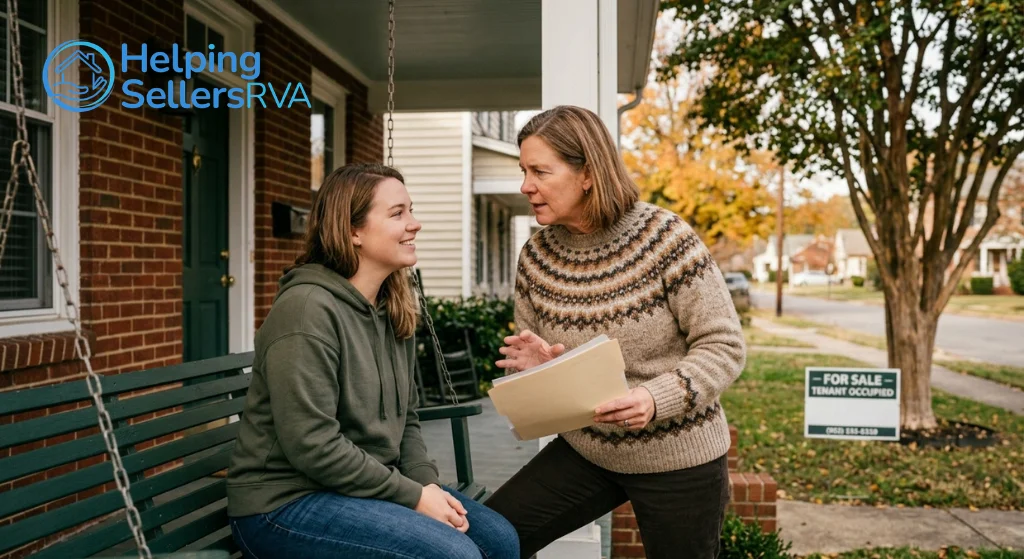
Your renter can make or break your property sale. An unhappy renter might leave the house messy. They might refuse entrance or speak negatively to potential buyers. A happy renter helps you showcase the rental house in its best light.
Start by having an honest conversation. Inform your tenant about your decision to sell before you place a sign in the yard. Explain how the process works and how their rights remain protected.
Consider offering incentives to encourage cooperation. A small gesture goes a long way during home showings.
Handling funds correctly during settlement is vital. The security deposit belongs to the renter, held in trust by the landlord. It does not count as seller profit.
When selling a rental property with tenants, the security deposit must transfer to the new owner at closing. The settlement statement reflects this transfer. The buyer receives a credit equal to the security deposit amount plus any accrued interest required by law.
You must also transfer prepaid rent. If the buyer closes on the fifteenth of the month, they receive the remaining half of that month rent.
Proper record keeping prevents post sale disputes between you, the buyer, and the renter.
Timing your sale depends on your financial goals. You must decide whether to sell house before lease ends or wait for an empty house.
Selling during an active lease keeps cash coming in every month. You experience no vacancy losses while waiting for a buyer. You also appeal directly to real estate investors who want turnkey properties.
However, selling during a lease limits your buyer pool. Traditional buyers who need a home right away cannot buy. It can also make staging and showing more complex.
Waiting until the lease ends allows you to make repairs and paint walls. An empty house allows full access for any showing time. You can target emotional home buyers who pay top market prices.
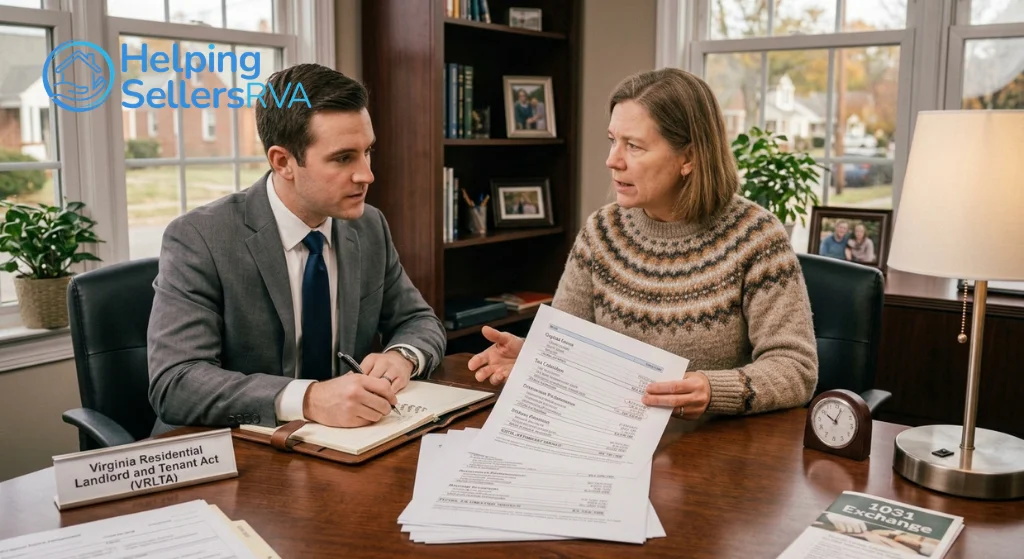
Selling a rental house in Virginia carries tax considerations. You should consult a tax professional before signing a purchase agreement.
When you sell investment property Virginia, you likely owe capital gains tax on your profits. Federal capital gains rates range from zero to twenty percent depending on your income. Virginia also taxes capital gains as regular income.
You must also account for depreciation recapture. The IRS requires you to pay taxes on the depreciation deductions you claimed or could have claimed while owning the property.
Many property owners use a 1013 tax deferred exchange to lower their tax bill. A 1013 exchange allows you to reinvest your sale proceeds into a new investment property. This defers capital gains tax and depreciation recapture taxes legally.
Proper financial planning ensures you keep the maximum amount of cash from your sale.
Following an organized plan keeps your sale on track. Here is the process for selling a rental house Virginia successfully.
For a quick and fair offer on your occupied house, check Helping Sellers RVA today.
Selling a house with renters can lead to mistakes if you rush. Avoid these common traps to ensure a stress free sale.
Selling a rental property with tenants in Virginia does not have to be difficult. By understanding Virginia laws, you can protect your rights and your renters rights. Respectful communication and proper notice keep the process smooth.
Whether you sell to a seasoned investor or choose a fast cash transaction, clear planning ensures success. You can cash out your property value while keeping rental income flowing right up to closing day.
Owning a rental house brings steady income. It can also bring extra work. Many landlords reach a point where they…
Read more →
Selling your property on your own can save you tens of thousands of dollars. Many homeowners in the Old Dominion…
Read more →
Selling a house can feel like a huge chore. Many homeowners in Virginia ask how cash home buyers come up…
Read more →
Selling a home in Virginia requires making big financial decisions. Every homeowner wants to maximize profits while minimizing stress. You…
Read more →
Selling a home with old plumbing or a leaking roof can feel scary. You might worry about huge repair bills.…
Read more →